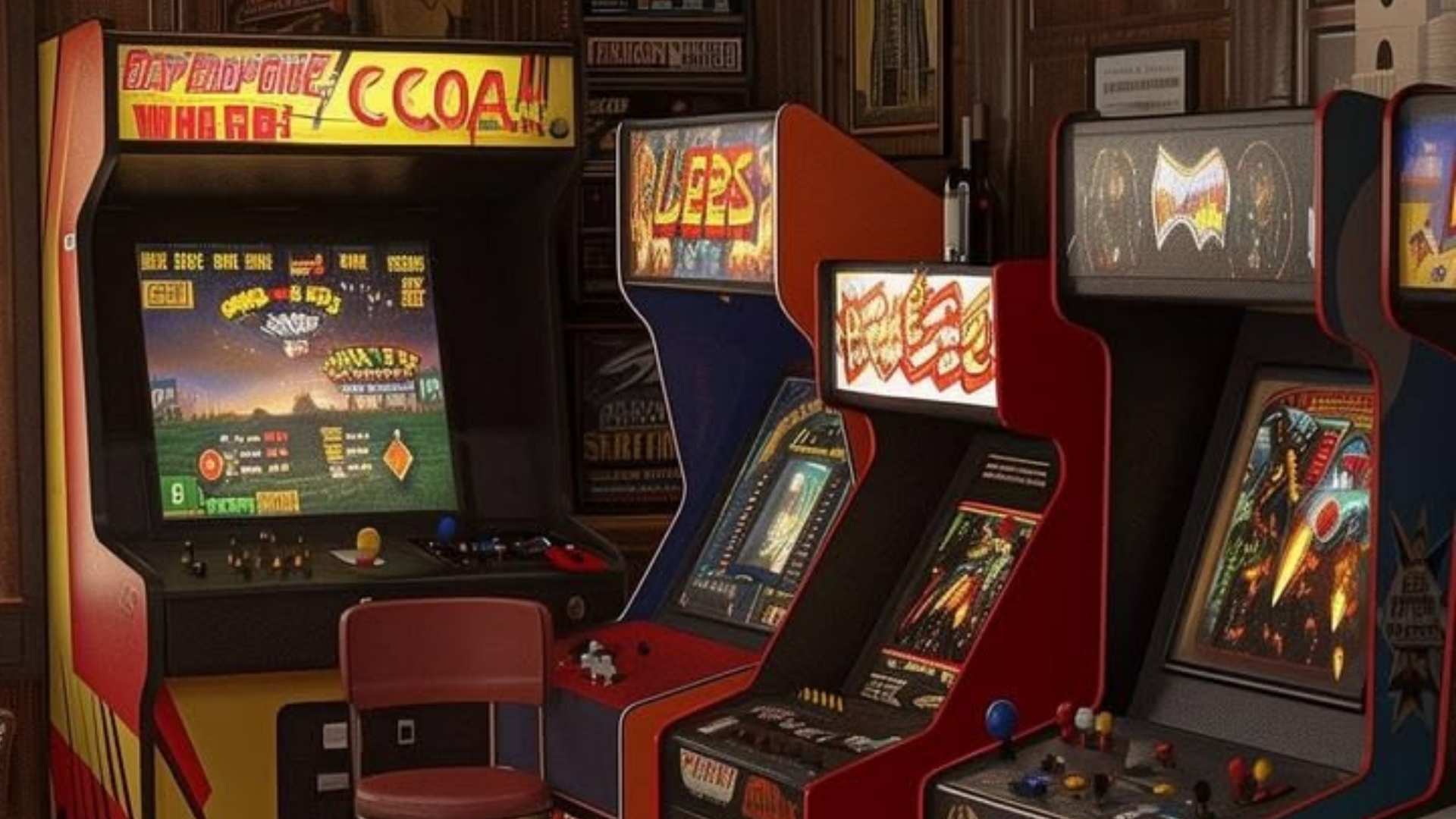
Modern interactive systems are increasingly utilizing complex motivational frameworks to keep users active and satisfied over long periods. At the core of these contemporary strategies lies the integration of random rewards, which provide unexpected positive outcomes to routine activities. By shifting away from standard linear progression, platforms can cultivate a deeper sense of curiosity and investment among their participants.
The Psychology of Unpredictable Incentives
Human behavior is naturally drawn to uncertainty, especially when it is paired with the anticipation of a positive outcome. Psychological studies indicate that variable reinforcement schedules stimulate higher levels of engagement than entirely predictable models. When individuals do not know exactly what they will receive, their emotional investment in the activity remains consistently elevated.
This mechanism creates a compelling feedback loop that makes every milestone feel like a fresh discovery rather than a routine task. However, designing these systems requires a comprehensive understanding of user habits to avoid causing fatigue. Striking the right balance ensures that the element of surprise remains an exciting catalyst for sustained interaction.
Designing Balanced Reward Distribution Models
For an incentive framework to remain effective, it must be perceived as equitable and transparent by the community. If the probability of obtaining a valuable asset feels completely arbitrary or unattainable, users may quickly become discouraged and abandon the platform. Creators must establish clear structural guidelines that respect the effort invested by the participant.
Many forward-thinking platforms now incorporate multi-tiered reward pools to cater to different user archetypes simultaneously. This ensures that casual participants receive frequent small surprises while dedicated individuals can strive for rare milestones. Enthusiasts looking to explore dynamic entertainment options can find reliable platforms at M88 Bet to experience these systems firsthand.
Maximizing Long-Term User Retention
The strategic deployment of random rewards plays a critical role in building lasting digital habits across various industries. By integrating limited-time campaigns or seasonal milestones, developers introduce a natural sense of urgency that boosts daily activity. These episodic variations prevent the core experience from becoming monotonous over extended durations.
Furthermore, combining unpredictable outcomes with personalized milestones ensures that the system aligns seamlessly with individual user preferences. When the platform adapts to the operational rhythm of its audience, the overall satisfaction increases exponentially. Ultimately, sustainable retention relies on creating an ecosystem where every surprise feels meaningful and thoroughly earned.
The Future of Algorithmic Motivation
As digital ecosystems continue to evolve, advancements in data analytics are reshaping how incentives are allocated in real time. Modern frameworks are moving away from rigid probability models toward dynamic structures that adapt to user performance. This evolution ensures that the delivery of unexpected bonuses remains highly relevant and engaging.
By prioritizing transparent algorithms and user safety, developers can build sustainable environments that cultivate genuine trust. The future of interactive design relies heavily on this delicate equilibrium between structured progression and exciting surprises. Organizations that master this balance will undoubtedly lead the next generation of digital entertainment.